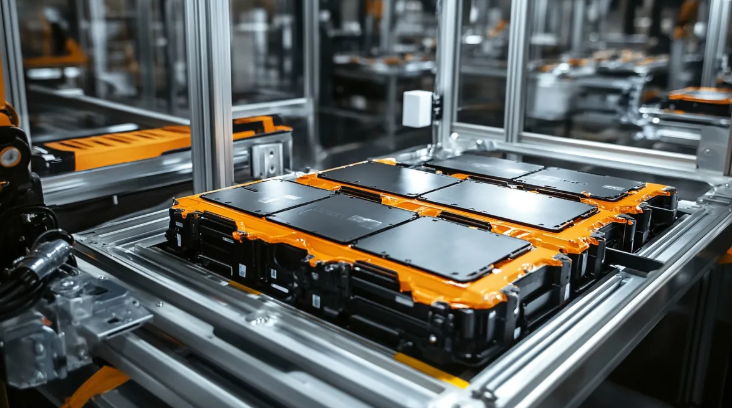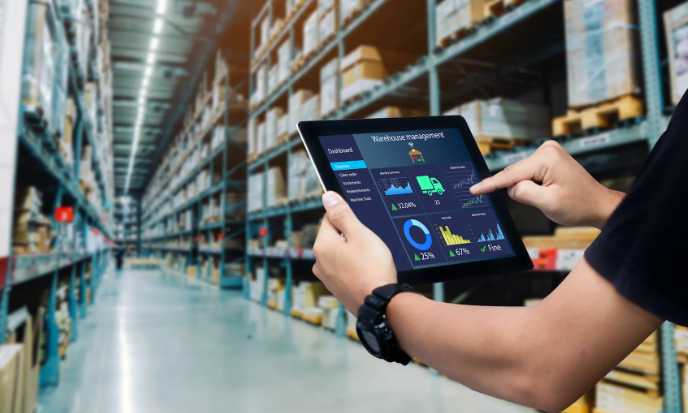
Technology plays a crucial role in enhancing logistics networks. Automation in warehousing streamlines operations and reduces errors. Real-time tracking systems improve visibility, allowing stakeholders to monitor shipments effectively. Additionally, artificial intelligence enables data-driven decision-making, while the Internet of Things optimizes supply chain processes. These elements collectively influence logistics performance. However, the implications of these technological advancements extend beyond mere efficiency, prompting further examination of their transformative effects on the industry.
The Role of Automation in Warehousing
As the demand for efficiency in logistics continues to escalate, automation has emerged as a critical component in modern warehousing operations.
Automated sorting systems enhance inventory management by swiftly organizing products, reducing human error.
Meanwhile, robotic picking technologies streamline order fulfillment, allowing for precise item retrieval.
These innovations not only optimize productivity but also empower logistics professionals to focus on strategic initiatives, fostering operational freedom.
See also: How Technology Improves Financial Transparency
Enhancing Visibility With Real-Time Tracking
Automation has significantly transformed warehousing operations. Yet another vital aspect of logistics is the enhancement of visibility through real-time tracking systems.
These systems provide real-time updates, ensuring stakeholders have access to critical information. Enhanced data transparency fosters trust and enables proactive decision-making, minimizing delays and inefficiencies.
Consequently, organizations can optimize their logistics networks, enhancing overall performance and customer satisfaction.
Leveraging Artificial Intelligence for Decision Making
While traditional decision-making processes in logistics rely heavily on historical data and human intuition, leveraging artificial intelligence (AI) introduces a paradigm shift that enhances accuracy and efficiency.
Implementing machine learning algorithms facilitates predictive analytics, allowing logistics managers to forecast demand, optimize routes, and allocate resources effectively.
This data-driven approach minimizes risks and maximizes operational freedom, empowering organizations to adapt swiftly to dynamic market conditions.
The Impact of IoT on Supply Chain Efficiency
The integration of the Internet of Things (IoT) into supply chain operations introduces significant enhancements in efficiency and visibility.
IoT devices and smart sensors facilitate real-time tracking of inventory and assets, enabling proactive decision-making. This connectivity reduces delays and optimizes resource allocation, ultimately decreasing operational costs.
Moreover, improved data analytics fosters transparency, allowing companies greater flexibility and control over their logistics networks.
Conclusion
In the evolving landscape of logistics, technology serves as the compass guiding organizations through the complexities of supply chain management. Much like a conductor harmonizes an orchestra, automation, AI, and IoT synchronize various elements of logistics to create seamless operations. According to a recent study, companies employing advanced tracking systems have reported a 30% reduction in delivery times, underscoring how these innovations not only enhance efficiency but also elevate customer satisfaction, ensuring competitiveness in a rapidly changing market.