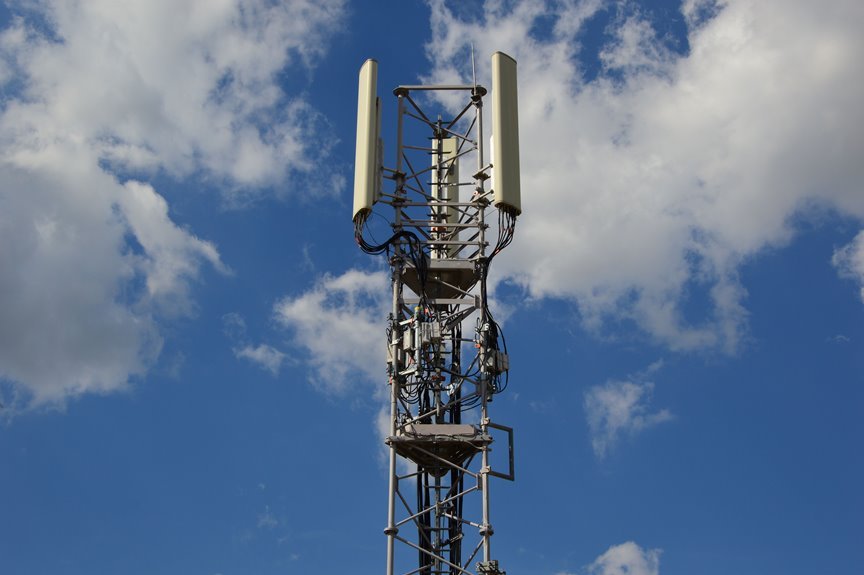
The distributed telecom infrastructure analysis file compiles asset records tied to specific identifiers such as 2105200146, 4072584864, 111.90.150.204l, 9493175442, and 18002280442. It emphasizes metadata, governance, and auditable workflows to support fault analysis, capacity planning, and performance benchmarking. Each identifier links to location, ownership, and cross-system records, enabling traceability across the network. The framework balances operational flexibility with governance, inviting careful assessment of reliability, scalability, and interoperability as committees consider next steps.
What Is the Distributed Telecom Infrastructure Analysis File?
The Distributed Telecom Infrastructure Analysis File (DTIAF) is a structured repository used to document, assess, and compare the components and performance of distributed telecom networks. It presents a disciplined framework, enabling consistent evaluation across environments.
The file emphasizes identifying metadata and ensuring security, guiding documentation practices, interoperability, and verifiable analyses while preserving a sense of operational freedom for analysts exploring complex infrastructure.
How Identifiers Like 2105200146 and 9493175442 Map to Real Network Assets
How do numeric identifiers such as 2105200146 and 9493175442 correlate with concrete network assets within the DTIAF framework? The mapping process aligns identifiers with physical assets via standardized identifier mapping protocols and metadata schemas. Asset tagging records link identifiers to device records, locations, and ownership, enabling precise asset inventory, traceability, and cross-system reconciliation across distributed telecom components.
Evaluating Reliability, Scalability, and Performance With Distributed Telecom Data
Evaluating reliability, scalability, and performance with distributed telecom data requires a disciplined, metrics-driven approach that isolates system behavior across heterogeneous components.
The analysis emphasizes data governance and fault mitigation in governance practices, alignments with scalability metrics, and consistent performance benchmarks.
Findings support objective comparisons, reveal bottlenecks, and inform architecture choices without bias, enabling careful, freedom-oriented optimization of distributed networks and data workflows.
Practical Use Cases: From Fault Analysis to Capacity Planning
Distributed telecom fault analysis and capacity planning rely on concrete, repeatable use cases that translate data-driven insights into actionable mitigation and sizing decisions.
The practical scope spans fault localization, performance trending, and proactive capacity forecasting, enabling cross-domain collaboration and rapid remediation.
Data sovereignty and vendor interoperability influence data sharing, tool integration, and governance, shaping scalable, auditable workflows aligned with freedom-loving organizational objectives.
Frequently Asked Questions
How Often Is the File Updated and Versioned?
The update cadence remains unspecified in accessible records, while the version history shows periodic revisions. The document appears to follow a disciplined release pattern, but precise intervals and naming conventions are not publicly documented for external stakeholders.
Who Has Access, and How Are Permissions Managed?
Access is restricted; access control enforces defined roles, while data governance governs permissions, auditing, and policy compliance. The organization assigns least-privilege access, reviews rights regularly, and documents changes to ensure transparent, auditable, and accountable data stewardship.
What Are the Privacy Implications for Embedded Identifiers?
Embedded identifiers raise privacy implications by linking data across systems; they threaten anonymity unless robust data provenance and auditability controls exist, ensuring traceability, access constraints, and accountability within distributed telecom analyses.
How Is Data Provenance and Auditability Ensured?
Data provenance is maintained through robust data lineage, with audit controls and security governance ensuring traceability, tamper-evidence, and accountability across data flows, enabling independent verification while preserving privacy within permitted boundaries and evolving threat landscapes.
What Are the Integration Steps With Existing CMDBS?
Integration with existing CMDBs proceeds through defined interfaces, standardized data models, and scheduled synchronization. The governance framework ensures data lineage is preserved, enabling traceability, versioning, and rollback, while integration governance enforces compliance and accountability across all connections.
Conclusion
The Distributed Telecom Infrastructure Analysis File consolidates asset records, locations, and ownership into a traceable, governance-driven data model. By mapping identifiers such as 2105200146 and 9493175442 to real network assets, stakeholders can assess reliability, scalability, and performance with auditable workflows. The framework supports fault analysis and capacity planning while balancing operational freedom with governance. In sum, it provides a clear, data-driven view—a keystone for interoperable infrastructure management, standing tall amid complexity. A stitch in time saves nine.